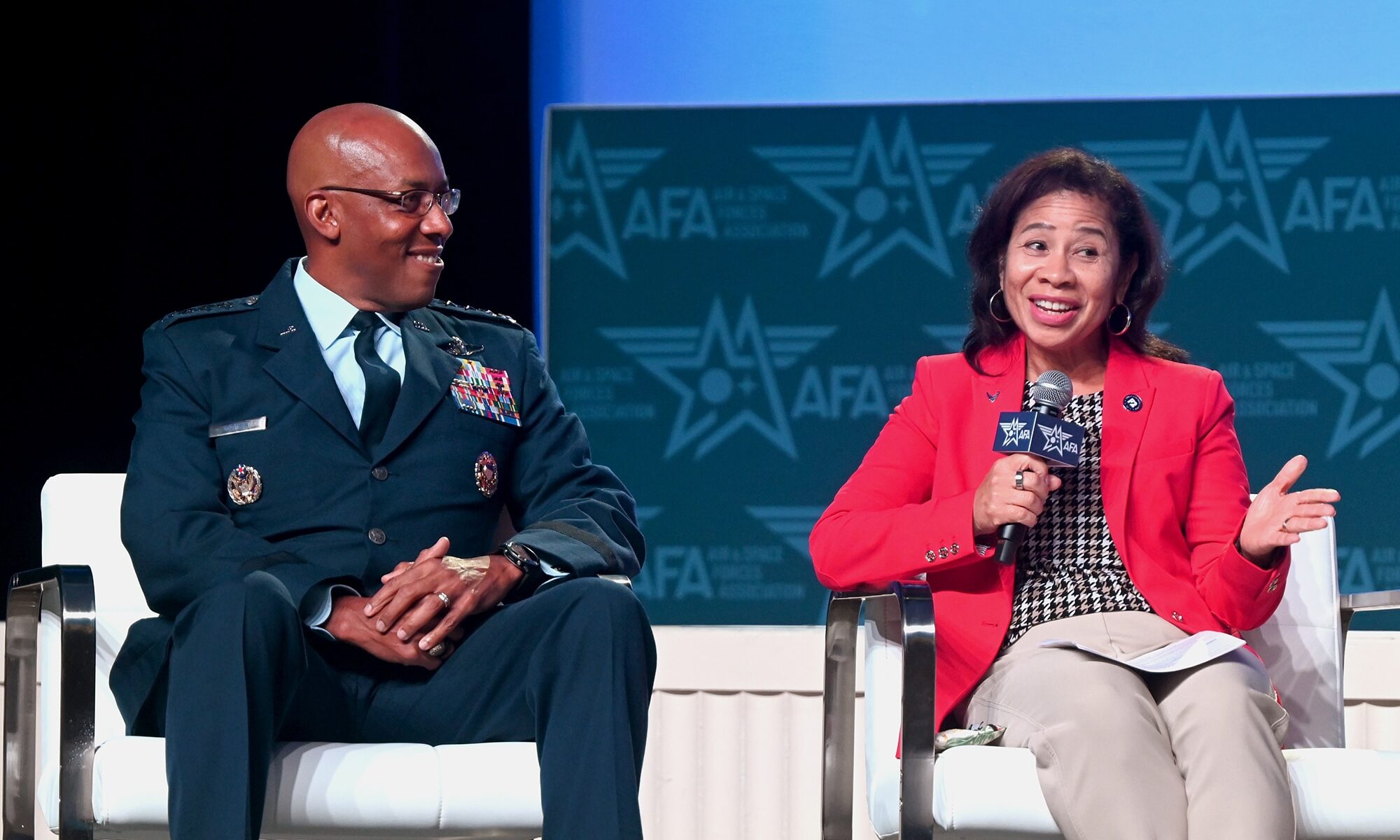
US, Canadian forces sharpen abilities in austere Alaskan region

Source: United States Air Force

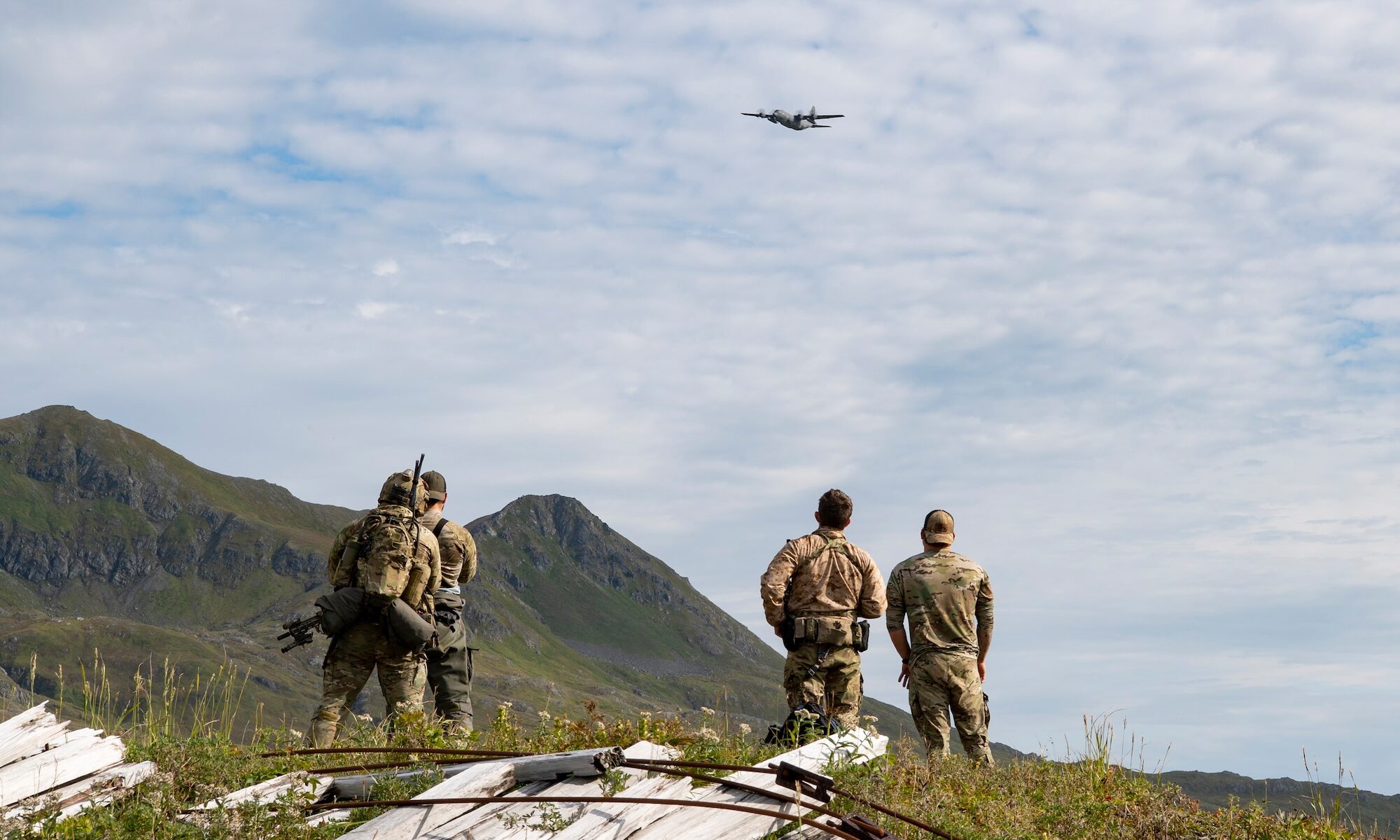
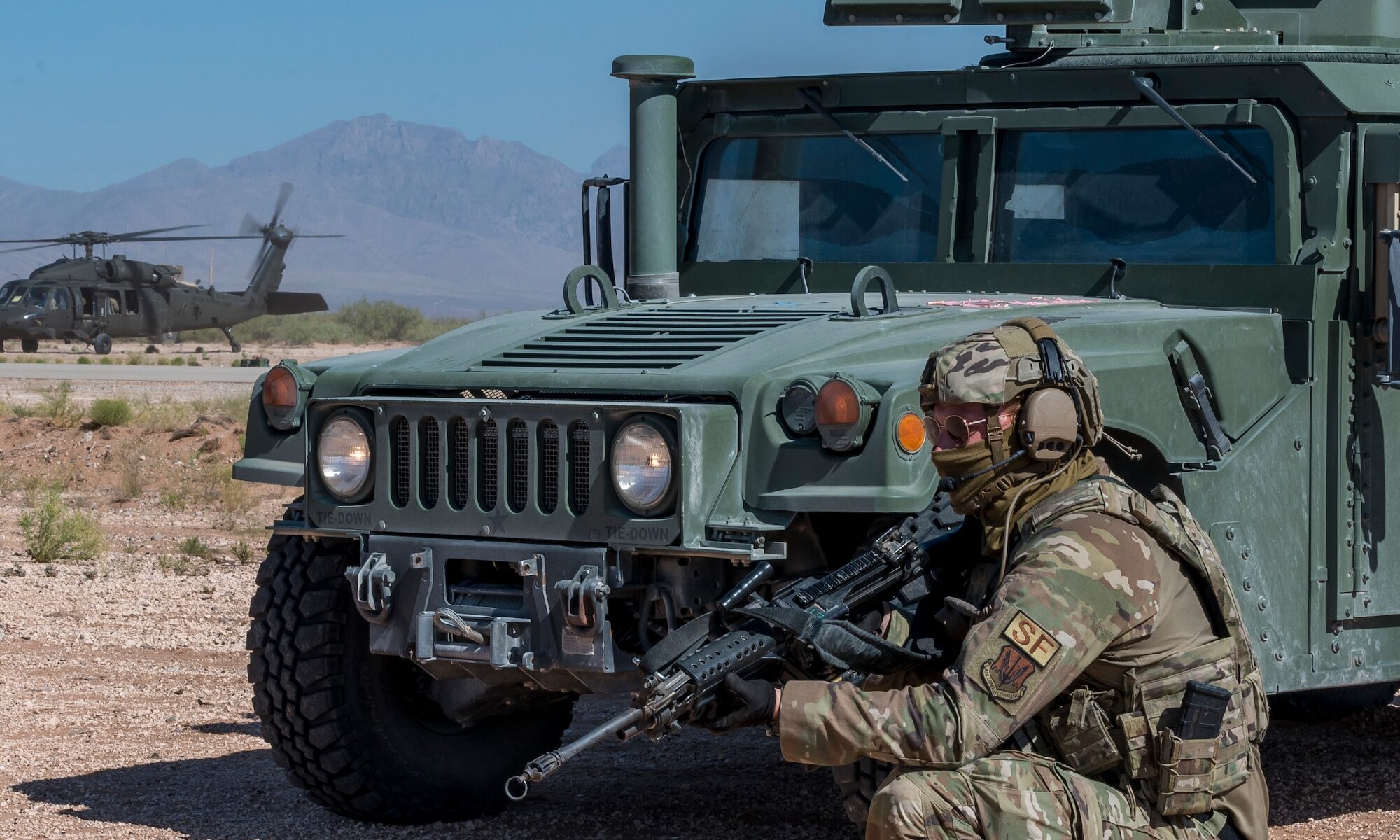
Air, ground and naval forces from the United States and Canada under the authority of the North American Aerospace Defense Command and U.S. Northern Command successfully completed maneuvers near Shemya, Attu and St. Lawrence Island, Alaska, Sept. 10, as part of a long-planned, bi-national operation to detect, deter and safeguard against potential threats to North America and the Arctic region.

Forces in support of Operation Noble Defender, an operation supporting the NORAD and USNORTHCOM Homeland Defense Campaign plan, demonstrated their ability to operate in the dynamic Arctic region including unfavorable weather and the austere environment.

Gen. Glen VanHerck, commander of NORAD and USNORTHCOM, said as the environment continues to change, interest in the Arctic region increases and that makes the ability to execute operations there more important than ever.

“As strategic competitors take advantage of greater access and influence in the region, NORAD and USNORTHCOM must demonstrate the readiness and capability to persistently operate in the arctic,” he said. “Access to ready forces, trained and equipped to operate in the arctic is vital to the defense of North America and ensuring a peaceful and prosperous region.”

Operation Noble Defender included USNORTHCOM air, ground, naval and special forces components conducting Operation Polar Dagger, designed to integrate joint special operations units and test new capabilities while defending critical infrastructure, enhancing all-domain awareness and strengthening the force’s understanding of the region.

USNORTHCOM contributes additional capabilities to Operation Noble Defender events to enhance integrated deterrence across strategic opportunities.

Operation Noble Defender also included an air component, Operation Polar Arrow, to demonstrate the ability to deploy assets in concert with special operations elements, as well as the ability to maintain air sovereignty over North America.

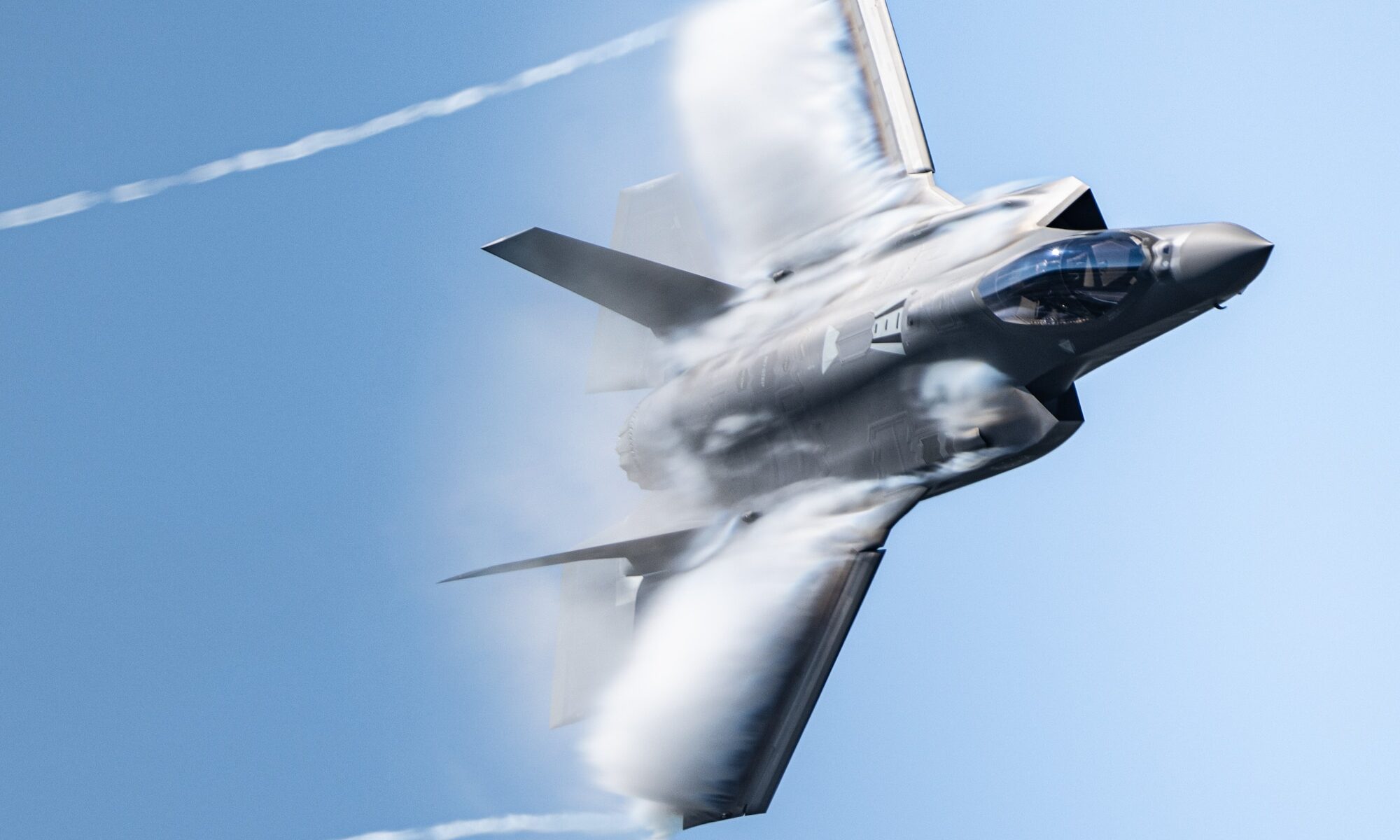
United States and Canadian NORAD assets such as F-16 Fighting Falcons, CF-18 Hornets, E-3 airborne warning and control system and KC-135 Stratotanker demonstrated the interoperability needed by this bi-national command as part of the layered defense structure required to defend North America.

Operation Noble Defender is a recurring NORAD air defense operation that demonstrates and strengthens the command’s ability to maintain mission readiness in various environments and to preserve capacity for follow-on operations.

US facilitates Philippine Air Force AOC, ISR training

Source: United States Air Force

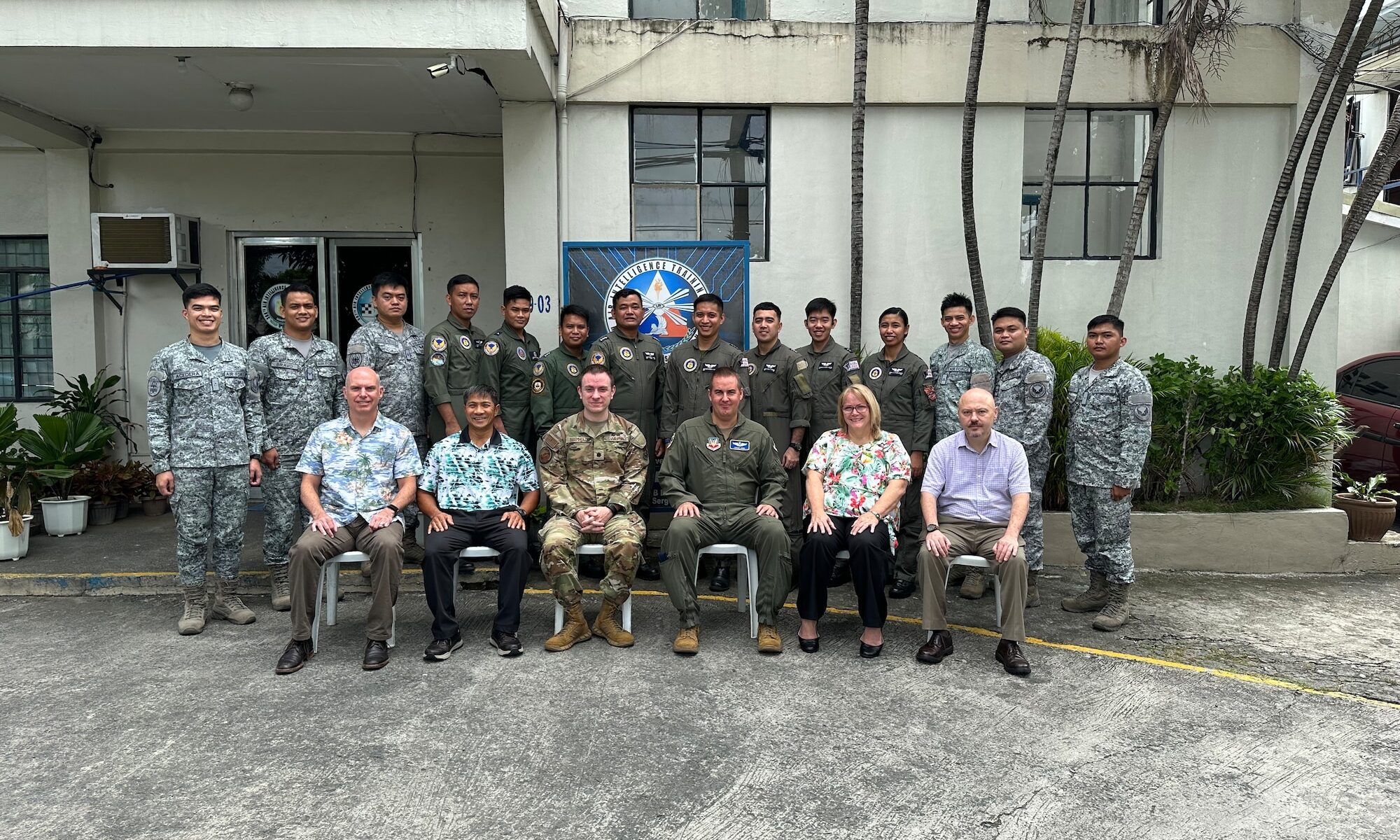
At the request of the Philippine government, the 505th Training Squadron located at Hurlburt Field, Florida sent a team of U.S. Air Force Air Operations Center Formal Training Unit instructors to Villamor Air Base, Philippines, Aug. 10-19.

The instructors trained 28 members of the Philippine Air Force’s 300th Air Intelligence and Security Wing and 5th Fighter Wing. The bilateral training focused on joint planning processes; intelligence, surveillance, and reconnaissance fundamentals; and best practices for ISR support to operations.

“We couldn’t have done this mission without the support of PACAF/A2 and without the support of our sister squadrons,” said U.S. Air Force Lt. Col. Jason Gossett, 505th TRS commander. “Our intelligence professionals are always in high demand, and when we saw how much intel training the PAF was requesting, we reached out to our partners to get the right blend of expertise.” 

In a brief graduation ceremony, PAF students expressed their gratitude for the unique and focused training. 

In the closing remarks, U.S. Air Force Lt. Col. David Jones, 505th TRS director of operations and mobile training team lead said, “The United States and the Philippines became formal allies with the signing of the National Defense Treaty of 1951, and with the changing geopolitical environment, we are as committed as ever to our allies and partners in the Pacific. Many of us have strong personal and professional ties to the Philippines, and we were honored to come out and support this mission.” 

“This training has offered exceptional chances to engage and build connections with fellow instructors and intelligence professionals who share our interests,” said Philippine Air Force Brigadier General Torres, 300th Air Intelligence and Security Wing commander “In our swiftly evolving world, adaptability is paramount. Training fosters our capacity to remain versatile and receptive to fresh concepts, technologies, and methodologies. 

“Through the enriching five-days of training, we’ve established a robust network that fosters collaborations and invaluable partnerships, benefiting both the 300th AISW and the Philippine Air Force.” 

The 505th TRS is responsible for preparing graduates to operate the AOC Weapon System, graduating more than 1,600 joint and coalition personnel annually. The squadron teaches 13 initial qualification courses, including an Integrated Air and Missile Defense Course, an AOC Fundamentals Course, a Joint Air Operations C2 Course and an Academic Instructor Course. Graduates from the 505th TRS serve in all combatant commands. 

Pacific Angel 23-3 concludes in Brunei

Source: United States Air Force

Pacific Angel 23-3 Brunei wrapped up at Rimba Air Force Base, Sept.15, after four days of multiple search and rescue and Humanitarian Assistance/Disaster Response training operations.

More than 100 Airmen from across the Pacific Air Forces joined forces with the Royal Brunei Air Force to improve their collective ability to respond effectively to humanitarian crises, disaster situations and search and rescue missions, solidifying their commitment to regional security and collaboration.

“Increasing capacity and readiness alongside the Royal Brunei Air Force solidifies our ability to jointly manage a wide range of contingencies,” said Lt. Col. Eric Thorstad, Pacific Angel 23-3 commander. “In Pacific Angel, we have a framework to collaborate and extend a legacy of success in humanitarian aid and disaster relief.

This iteration of Pacific Angel is focused on regional search and rescue and Humanitarian Assistance/Disaster Response capacity-building interoperability with partnering nations.

“Our shared commitment to promote peace and security in the Indo-Pacific region is the foundation of the U.S.-Brunei relationship,” said Caryn R. McClelland, U.S. Ambassador to Brunei Darussalam. “Collaborative exercises such as Pacific Angel 23-3 not only strengthen our humanitarian relief capabilities but also foster meaningful people-to-people ties between our nations.”

Pacific Angel 23-3 demonstrated PACAF’s commitment to the Indo-Pacific region and its allies and partners.

“We have witnessed remarkable success in our collective efforts over the past week,” Thorstad said. “PACAF is committed to building ongoing collaboration.”

DAF leaders emphasize modernization, readiness at AFA Conference amid great power competition

Source: United States Air Force

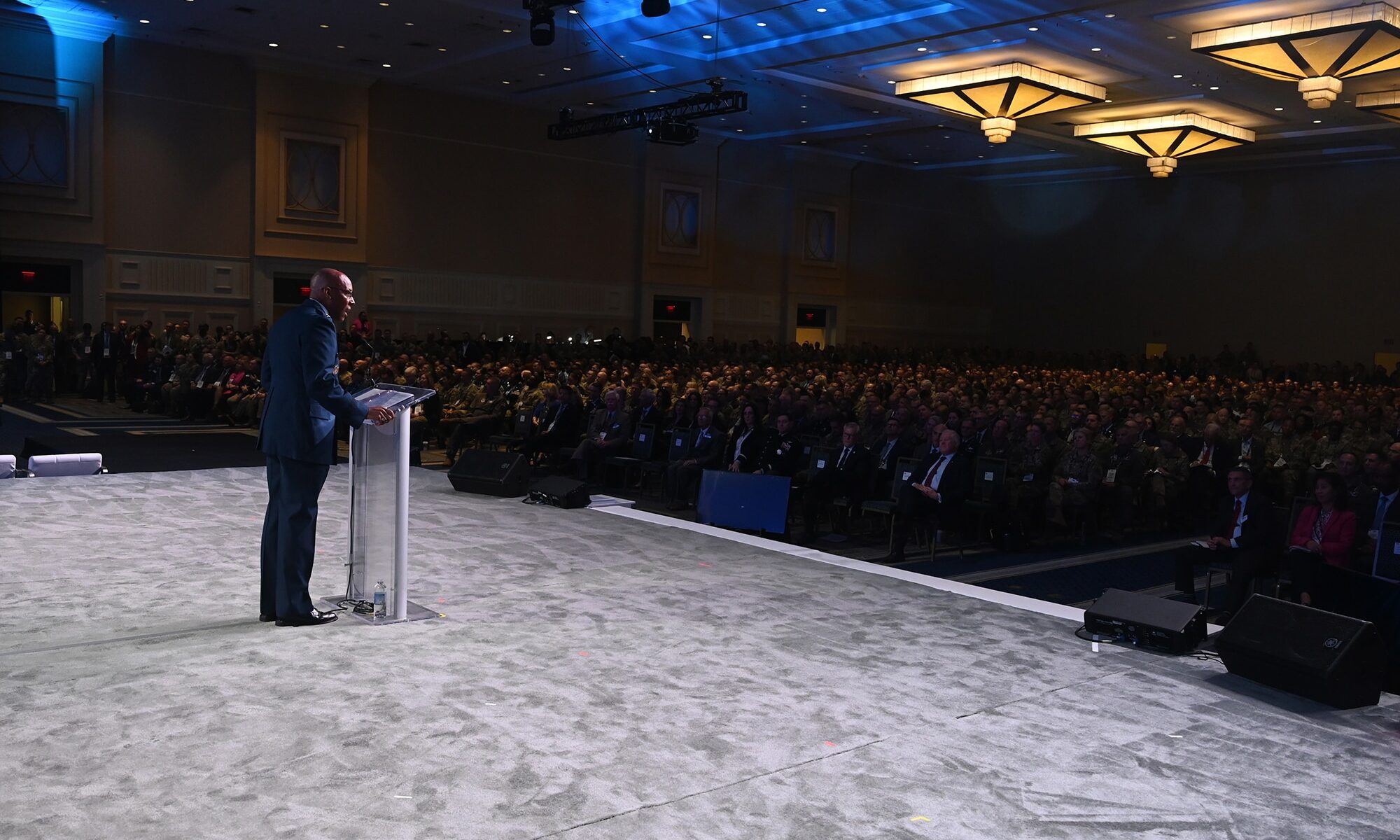
The Department of the Air Force’s top officials provided a series of keynote speeches and panel discussions at the Air and Space Forces Association 2023 Air, Space and Cyber Conference Sept. 11-13.

The leaders spoke with a common theme of the critical need for DAF modernization and reorientation to counteract strategic competition in the Air, Space, and Cyber domains.

Read on for a synopsis of DAF senior leader keynotes and panels.

Secretary of the Air Force provides assessment of future threats

Department of the Air Force Secretary Frank Kendall‘s keynote address Sept. 11 reviewed the People’s Republic of China’s transformation into a U.S. strategic competitor as well as highlighted current DAF initiatives. He emphasized the need for the Air Force and Space Force to quickly modernize and adapt, sharing his view that the PRC now poses a more direct security challenge than violent extremist organizations. He urged Congress to overcome challenges in confirming general officer nominations, passing a full-year defense budget and preventing legislative gridlock.

Kendall also reviewed his seven Operational Imperatives, which align with the U.S. National Security Strategy and aim to reshape the Air Force and Space Force to meet the challenges posed by adversaries. Kendall emphasized the need for a comprehensive review of DAF’s organizational structure, training initiatives and equipment lifecycles. Kendall also expressed confidence that DAF is supporting the Joint Force, along with allies and partners, to unite and focus on deterring the pacing challenge.

Chief of Staff of the Air Force on accelerating change in order to meet global security challenges

Emphasizing themes that are now familiar, Air Force Chief of Staff Gen. CQ Brown, Jr. stated that the U.S. Air Force must continue to change to meet the challenges of today’s complex security environment or risk losing the certainty with which we have defended our national interests for decades. Brown outlined the progress on Accelerate Change or Lose and issued his 2020 blueprint for the Air Force, which has been characterized by four ‘action orders’ aimed at developing Airmen with the attributes needed for a high-end fight, reducing bureaucracy and streamlining decision-making processes, reshaping the service’s culture and mindset to address strategic competition and designing the force required for the future.

Chief of Space Operations on securing America’s interests in space

Chief of Space Operations Gen. Chance Saltzman delivered a keynote address Sept. 12, discussing the increasingly contested and congested space domain. He explained how the Space Force was created for this new era, increasingly characterized by great power competition and tying the service’s new mission statement, “Secure our Nation’s interests in, from, and to space,” to the core functions Guardians provide for the Joint Force: space superiority, global mission operations, and assured space access. Finally, he discussed the need to create new Force Design, Force Development, Force Generation, and Force Employment schemas to build the Space Force we need to address current and future challenges.

Chief Master Sergeant of the Air Force speaks on culture, goals, and vision

Chief Master Sgt. of the Air Force JoAnne S. Bass spoke Sept. 13, expressing gratitude for the dedication of Airmen and the vital roles they play in projecting airpower globally. She highlighted the need for the Air Force to continuously improve to meet challenges in the Pacific region. Bass stressed the significance of understanding and harnessing the power of information and artificial intelligence in the digital age. She also discussed the importance of Airmen thinking critically, challenging the status quo and embracing innovation.

Chief Master Sergeant of the Space Force stresses importance of changing the game

Chief Master Sergeant of the Space Force Roger A. Towberman spoke to the AFA audience Sept. 13, discussing the Space Force core values, or “4 C’s,” the importance of creating winning teams, and the Space Force’s new Polaris Award. He detailed how the 4 Cs: Character, Connection, Commitment, and Courage, were developed by Guardians and were being incorporated into the promotion board process. He also reflected on his service as the first Chief Master Sergeant of the Space Force ahead of his change of responsibility to Chief Master Sergeant John F. Bentivegna, Sept. 15.

Senior leaders assemble to discuss challenges for military families

Gen. Brown and his wife, Sharene Brown; Gen. Saltzman and his wife, Jennifer Saltzman; Chief Master Sgt. of the Air Force Bass and her husband, Rahn Bass; and Chief Master Sgt. of the Space Force Towberman and his wife, Rachel Rush engaged in a panel discussion about the evolving nature of military families, including the rise of dual-working families, dual military families, and single parent families. The leaders highlighted the importance of supporting initiatives and programs on military installations to maintain family connections and mentioned specific resources, including the Cohen Veterans Network, Joint Service School Liaison Program, and the Exceptional Family Member Program. They also touched on the unique challenges faced by Airmen and Guardians supporting high operational tempo units from home stations, emphasizing the need to provide ways to mitigate the stressors of the “deployed in-place” concept.

Summary

The Air and Space Forces Association 2023 Air, Space, and Cyber Conference provided a platform for Department of the Air Force senior leaders to discuss their perspectives for modernization and readiness to address evolving security threats to an audience of uniformed and civilian military members and industry partners. It also provided a forum for DAF civic engagements, bilateral discussions, media panels and recognition events for outstanding servicemembers.

DAF launches coaching website

Source: United States Air Force

A new Department of the Air Force website supports the development of a coaching culture throughout the service by offering a variety of resources tailored to the needs of Airmen and Guardians.

At the Department of the Air Force’s Coaching site, members can explore how to find a professional coach and become a coach. Additional resources are available to support the development of the DAF’s internal coaching culture.

Coaching is a structured, formalized, goal-oriented process where a certified coach focuses on helping individuals overcome specific challenges, develop new skills and reach desired outcomes. Coaches employ active listening, powerful questioning, and feedback tools and techniques, empowering individuals to find their own solutions to certain challenges and build self-awareness.

“Coaching is a crucial component for our Total Force development ecosystem,” said Lt. Gen. Caroline Miller, deputy chief of staff for Manpower, Personnel, and Services. “It empowers our members to unlock their greatest potential, generate personal growth and better contribute to the service’s mission.”

Katharine Kelley, deputy chief of space operations for Human Capital, expanded on coaching culture’s benefit to the DAF.

“Coaching is an investment that will pay dividends for our people,” she said. “It challenges members to self-reflect on their strengths and grow in new ways personally and professionally.”

According to Crystal Moore, director of Air Force Force Development, coaching and mentoring have key differences that each contribute to individual growth.

“It’s essential to understand the difference between coaching and mentoring to maximize the capabilities of both methodologies,” Moore said. “Mentoring is a relationship-based approach that centers on sharing knowledge, experience and advice while helping mentees achieve their career goals. Mentoring relationships may be longer-term and address a broad range of personal and professional growth areas. A coach encourages individuals to develop their own approaches to a challenge through thoughtful questioning and are shorter-term in nature.”

Moore summarized the techniques’ divergence by illustrating a difference in the guide’s role.

“Essentially, a mentor talks to you with advice; a coach empowers you,” she said.

While mentoring is the more familiar practice in the DAF, creating a coaching culture can enhance efforts to develop the total force.

The services believe coaching can significantly impact one’s professional and personal life. A coach’s objective guidance can help individuals overcome challenges, develop new skills and achieve desired outcomes more efficiently. Coaching can also foster self-awareness and resilience, enabling Airmen and Guardians to adapt and thrive in a rapidly changing environment.

Leadership recognizes that becoming a coach requires dedication, training and a genuine desire to help others grow. Coaches enhance the force’s effectiveness and adaptability by assisting others to realize their potential.

“Through coaching, the services can foster a culture of continuous growth, ensuring our members are ready to face any challenges and uphold our Air and Space Superiority,” Miller said.

For questions about the DAF coaching program, visit the coaching page, or email af.a1di.coaching@us.af.mil.

SecAF announces Air Task Force model

Source: United States Air Force

Secretary of the Air Force Frank Kendall announced the Air Task Force as the next step in the Air Force’s Force Generation model during the Air and Space Forces Association’s 2023 Air, Space and Cyber Conference, Sept. 11 in National Harbor, Maryland.

“Major initiatives in the U.S. Air Force and Space Force, such as Air Force Force Generation in the Air Force and the evolving allocations of responsibility across Space Force field commands are moves in the right direction,” Kendall said. “On Friday, I approved the Air Force creation of three Air Task Forces to serve as pilots in order to experiment with ways to more effectively provide deployable, integrated units — two for U.S. Central Command and one for U.S. Indo-Pacific Command … they are a major step in the right direction, and we will learn from this experience.”

As part of an ongoing effort to build high-end readiness for the future, the Air Force continues to evolve the way it presents its forces through the AFFORGEN model.

What Airmen need to know about the Air Task Force
– The ATF provides the Air Force with a definable unit of action at a sustainable pace for employing and posturing forces.

– The first ATFs will enter the AFFORGEN cycle in Summer 2024 and will deploy beginning in fiscal year 2026.

– These Airmen which form the ATFs will team, train and deploy together through the AFFORGEN cycle.

– As ATFs are built, Airmen will be sourced from across the Air Force. Further details will be available in the coming months.

In addition to a disciplined force generation model, the Air Force is refining Agile Combat Employment tactics, Multi-Capable Airmen training, A-Staff constructs, and implementing a Mission Command approach to command and control.

Air Task Force construct
The ATF will consist of a Command Element with an attached expeditionary A-Staff; an Expeditionary Air Base Squadron to provide Base Operating Support; and Mission Generation Force Elements with attached Mission Sustainment Teams to facilitate Agile Combat Employment.

– The Command Element will be the ATF’s dedicated leadership team throughout the entire AFFORGEN cycle, focused on building, training, certifying and deploying a cohesive unit postured for success across the spectrum of conflict. The Command Element will consist of the commander, deputy commander, a senior enlisted leader and an expeditionary A-Staff.

– The ATF commander will be a colonel; the ATF deputy commander will be a lieutenant colonel who has successfully completed at least one squadron command assignment; and the senior enlisted leader will be a command chief master sergeant.

– The A-Staff will assist the ATF commander by providing staff support in interacting with higher headquarters and fulfilling the commander’s responsibility to provide resourcing, policy, oversight and guidance.

“Concepts like Multi-Capable Airmen and Agile Combat Employment are aligned with meeting the pacing challenge,” Kendall said.

The ATF model represents the next step in adopting a more modular organization of teams, which generate through the AFFORGEN cycle together and then deploy as a unit to maximize effectiveness.

DAF commemorates Air Force’s 76th anniversary, Space Force’s 4th anniversary with worship service

Source: United States Air Force

The Department of the Air Force commemorated the 76th anniversary of the Air Force and the fourth anniversary of the Space Force with a non-denomination worship service that included the participation of members of several faiths at the Washington National Cathedral Sept. 10.

Secretary of the Air Force Frank Kendall, Air Force Chief of Staff Gen. CQ Brown, Jr., Chief Master Sgt. of the Air Force JoAnne S. Bass and Acting Vice Chief of Space Operations Lt. Gen. Philip Garrant participated in the service, which recognized the contributions of women to service in addition to marking the upcoming Air Force and Space Force anniversary dates.

“Women’s impact is not a secondary narrative in our history; it’s essential,” said Maj. Gen. Randall E. Kitchens, Department of the Air Force chief of chaplains. “From the early days of women aviators who broke both sound and societal barriers, to today’s leading generals and leaders crafting the future doctrines and policies, women have been the bedrock of innovation, resilience and strength in our forces.”

Members of the congregation reflected on the incessant courage of women who forged a path where none existed, serving with distinction in times of peace and conflict and elevating the mission to heights previously unimagined.

The service also recognized the 75th anniversary of the Women’s Armed Services Integration Act, which enabled women to serve as permanent regular members of the military.

Kendall specifically acknowledged the accomplishments of Women Airforce Service Pilots, or WASP, women who served as federal civil service employee pilots prior to women being allowed to serve as regular military pilots.

“Despite their sacrifices during times of war, women have also had to fight for their own equality,” Kendall said. “Our history is full of inspiring women leaders who fought through barriers and against headwinds with sheer resolve and determination to put women on equal footing with men.”

Kendall also recognized a modern-day trailblazer, retired Maj. Gen. Lorraine K. Potter, the first female chaplain in the Air Force. She was also the first female chaplain of any U.S. military service to be promoted to the pay grade of O-6, the first female Air Force chief of chaplains, and the first woman ordained by the American Baptist churches in the state of Rhode Island.

Potter reflected on the opportunities afforded to her.

“I knew God called me to be a fellow traveler with people struggling with the challenges and uncertainties of life,” Potter said. “There were not many places in the late 1960s and ‘70s for a woman in ministry to serve. But the timing was right; things were changing, and the Air Force Chaplain Service gave me a unique and wonderful place to do ministry.”

A video recording of the Department of the Air Force 76th Anniversary Service by the Washington National Cathedral is available for viewing here: 9.10.23 Department of the Air Force Anniversary Service.

AF Week in Photos

Source: United States Air Force

This week’s photos feature Airmen from around the globe involved in activities supporting expeditionary operations and defending America. This weekly feature showcases the men and women of the Air Force.

To view all Week in Photos collections, click here.

Around the Air Force: New PT, Uniform Standards for EPME, Interoperability with Marines, Autonomous Flight Moves Forward

Source: United States Air Force

In this week’s look around the Air Force, Enlisted Professional Military Education courses have new uniform wear and physical fitness requirements, Airmen from Creech Air Force Base work with Marines in California, and a new proving ground for automated flight has its first successful test. (Hosted by Staff. Sgt. Milton Hamilton)

Watch on DVIDS | Watch on YouTube
For previous episodes, click here for the Air Force TV page.

DAF leaders, spouses reflect on changes for military families at AFA panel

Source: United States Air Force

Department of the Air Force leaders and their spouses discussed changes and challenges that have impacted military families during a panel at the Air and Space Forces Association’s 2023 Air, Space and Cyber Conference Sept. 13.

Participating panelists included Air Force Chief of Staff Gen. CQ Brown, Jr. and his wife, Sharene Brown; Chief of Space Operations Gen. Chance Saltzman and his wife, Jennifer Saltzman; Chief Master Sgt. of the Air Force JoAnne S. Bass and her husband, Rahn Bass; and Chief Master Sgt. of the Space Force Roger A. Towberman and his wife, Rachel Rush.

Lt. Gen. Caroline M. Miller, Air Force Manpower, Personnel and Services deputy chief of staff, moderated the discussion and asked panelists to share their perspectives on changes they witnessed over time as military families. She also engaged the leaders and their spouses on their personal experiences in leveraging on and off-base resources to improve their quality of life as military families.

“When it comes to change, today’s military family looks a lot different than it did 30 years ago,” Chief Bass said. “You have more dual-working families, dual military, and single parents.”

Chief Bass also said leaders should continue to support initiatives and programs on military installations that help maintain family connections.

Sharene Brown said she witnessed several positive changes throughout her experience as a military spouse, especially regarding the availability of programs to support service and family members’ mental health, as well as resources to ease transitions for military-connected students and resources to assist Airmen and Guardians enrolled in the Exceptional Family Member Program.

“The fact that we can talk about this openly and connect to the resources out there is huge,” Sharene Brown said. “From my perspective, what’s now available on and off our installations for our families is overwhelming.”

Some of the resources highlighted included:

  • Cohen Veterans Network: a network of mental health clinics focusing on post-9/11 veterans, active duty servicemembers, and families, to help address transition challenges before they become chronic or acute
  • Joint Service School Liaison Program: education specialists that assist with local school navigation, deployment support, scholarship, and grant resources, and more
  • Exceptional Family Member Program: a Department of Defense program offered to servicemembers who have a family member with an exceptional medical or educational need

Gen. Saltzman noted that Airmen and Guardians are expected to do more with fewer resources as the department evolves.

“It’s a fundamentally different Air Force,” Gen. Saltzman said. “What’s impressive to me is we have shifted from an Air Force of over 500,000 to an Air Force and Space Force that is far less than that.”

Panelists also mentioned another dynamic affecting Airmen and Guardian families, the “deployed in place” concept. An increasing number of active-duty Airmen and Guardians support high-ops-tempo units and missions from home station. These Airmen and Guardians often face the same stressors and grueling hours they would during an overseas deployment, yet they still return home to their families daily.

“Because of what automation and remote capabilities have allowed, we can now create effects worldwide without leaving the safety of our garrisons,” Gen. Saltzman said. “As a leadership team, we have to recognize that this comes with a different set of challenges and stressors. We need to provide ways to mitigate that.”

The speakers on the panel shared strategies like scheduling regular quality time, having open communication, and allowing space to pursue individual interests as personal approaches to maintaining strong connections with their partners amid busy lives and careers.

“You really can’t ‘turn off’ in the positions we have here,” Rahn Bass said. “There will be messages and phone calls. Being realistic about that – present in the moment and deliberate about quality time is important.”

Towberman also shared his perspectives for looking at relationships using a different lens and how to be more connected.

“[It’s] about harmony,” Toberman said. “I think that harmony comes best … in undiluted moments. There’s too much of our life that gets diluted if we are not paying attention, and diluted experiences are hardly experiences at all. I think we try really hard to say ‘this is about us,’ and this is about a real moment.”

Rush spoke about an article she wrote for Military Spouse Magazine titled ‘Your Wild and Precious Life’, in which she spoke specifically to spouses about the importance of taking time to work on themselves, build personal connections, and find purpose beyond being in a relationship with their spouses.

“I think sometimes we [spouses] can lose sight of our life,” Rush said. “When I became a military spouse, I had friendships, I had connections, but I had to work so much harder to keep [them] … I think it’s important to really ground yourself in the life that you have and to make things real and pertinent. You have to do things for yourself because although you have the journey with this person you love so much, it is still this one wild and precious life. You have to do what makes you happy, and we all have to be there to support one another.”

Due to anticipated retirements and promotions, the 2023 AFA conference serves as the final time this group of leaders are expected to be on stage together, and they reflected on their experiences supporting military families across the Air Force and Space Force.

“One reason why I’ve enjoyed [this forum at AFA] is we’re able to show we are real people just like you,” said Gen. Brown. “We’ve got to remember how important [military families] are to what we do, and the sacrifices they make are tremendous.”